

Right to be Forgotten
O epizodě podcastu
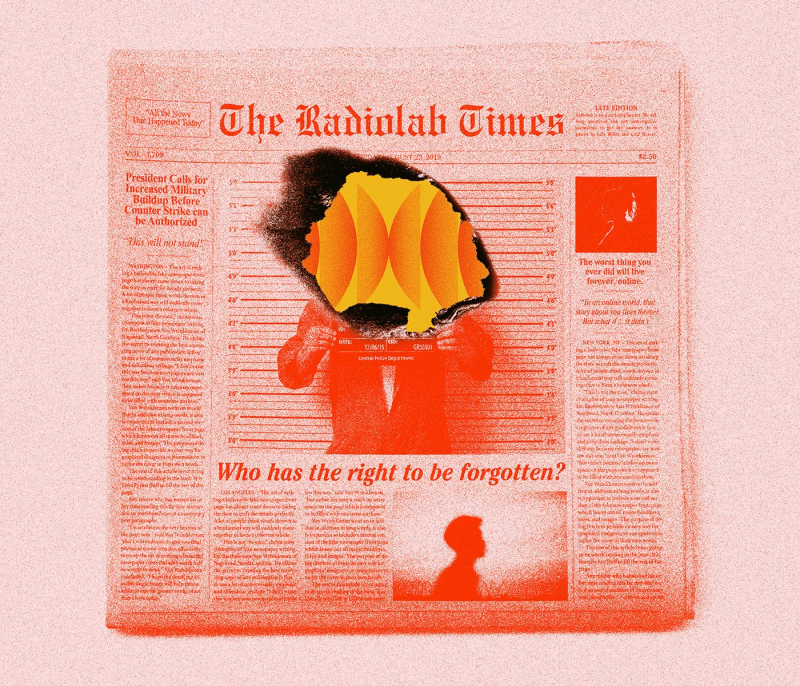
In online news, stories live forever. The tipsy photograph of you at the college football game? It’s there. That news article about the political rally you were marching at? It’s there. A charge for driving under the influence? That’s there, too. But what if... it wasn’t?
Several years ago a group of journalists in Cleveland, Ohio, tried an experiment that had the potential to turn things upside down: they started unpublishing content they’d already published. Photographs, names, entire articles. Every month or so, they met to decide what content stayed, and what content went. In this episode from 2019, Senior Correspondent Molly Webster takes us inside the room where the editors decided who, or what, got to be deleted. And we talk about how the “right to be forgotten” has spread and grown in the years since. It’s a story about time and memory, mistakes and second chances, and society as we know it.
Our newsletter comes out every Wednesday. It includes short essays, recommendations, and details about other ways to interact with the show. Sign up (https://radiolab.org/newsletter)!
Radiolab is supported by listeners like you. Support Radiolab by becoming a member of The Lab (https://members.radiolab.org/) today. Follow our show on Instagram , Twitter and Facebook @radiolab, and share your thoughts with us by emailing radiolab@wnyc.org
Leadership support for Radiolab’s science programming is provided by the Gordon and Betty Moore Foundation, Science Sandbox, a Simons Foundation Initiative, and the John
Hi Radiolab listeners , we want to hear from you! Take this podcast survey and let us know how you feel about the show. It only takes about 20 minutes and your feedback will help us make our podcast better! There are no wrong answers, we want your honest takes. You can help out by taking the survey here ( www.radiolab.org/survey ).