

The Science of Hearing, Balance & Accelerated Learning
O epizodě podcastu
This episode I describe how our ears and nervous system decode sound waves and gravity to allow us to hear and make sense of sounds. I also describe protocols for rapid learning of sound and other types of information. I discuss sound localization, doppler effects (sound motion), pitch perception and how we isolate sounds in noisy environments. I also review the scientific findings on binaural beats and white noise and how they can improve learning. Other topics and protocols include tinnitus, sea sickness, ear movement, ear growth and the science-supported ways we can all accelerate learning using "gap effects".
For the full show notes, visit hubermanlab.com.
Thank you to our sponsors
AG1 (Athletic Greens): https://athleticgreens.com/huberman
LMNT: https://drinklmnt.com/huberman
Supplements from Momentous
https://www.livemomentous.com/huberman
Timestamps
(00:00:00) Overview of Topics
(00:02:20) Protocol: New Data for Rapid Learning
(00:09:10) Introduction: Hearing & Balance
(00:09:30) Sponsors: AG1, LMNT
(00:13:53) How We Perceive Sounds
(00:21:56) Your Hearing Brain (Areas)
(00:23:48) Localizing Sounds
(00:28:00) Ear Movement: What It Means
(00:33:00) Your Ears (Likely) Make Sounds: Role of Hormones, Sexual Orientation
(00:35:30) Binaural Beats: Do They Work?
(00:43:54) White Noise Can Enhance Learning & Dopamine
(00:51:00) Headphones
(00:55:51) White Noise During Development: Possibly Harmful
(01:03:25) Remembering Information, & The Cocktail Party Effect
(01:12:55) How to Learn Information You Hear
(01:18:10) Doppler
(01:22:43) Tinnitus: What Has Been Found To Help?
(01:30:40) Aging: How Big Are Your Ears?
(01:35:00) Balance: Semi-Circular Canals
(01:40:35) A Vestibular Experiment
(01:43:15) Improve Your Sense of Balance
(01:48:55) Accelerating Balance
(01:51:55) Self-Generated Forward Motion
(01:56:25) Dizzy versus Light-Headed
(01:58:38) Motion Sickness Solution
(02:01:23) Synthesis
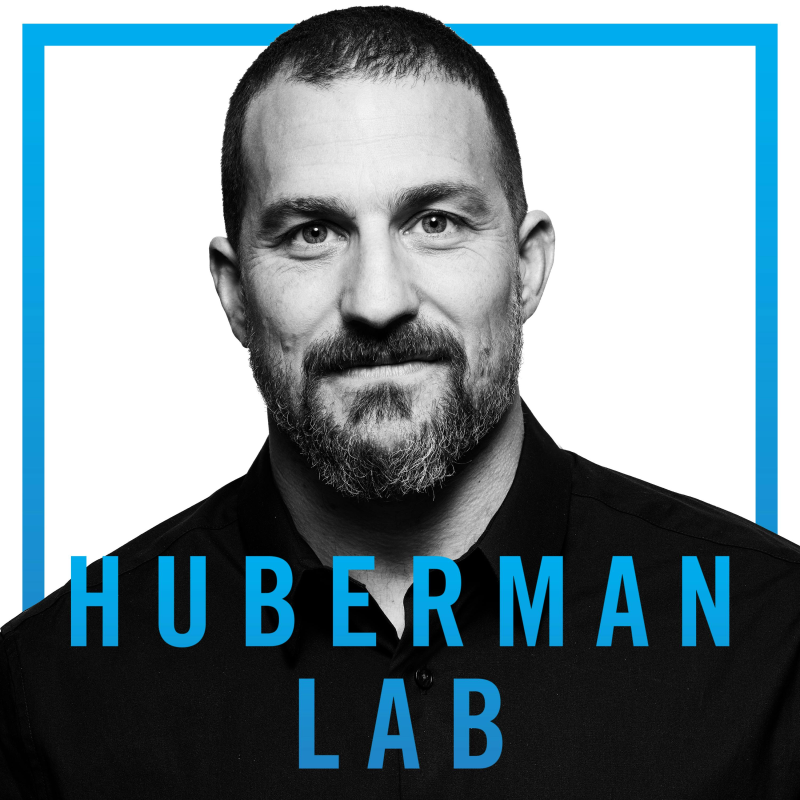
Title Card Photo Credit: Mike Blabac
Disclaimer
This episode I describe how our ears and nervous system decode sound waves and gravity to allow us to hear and make sense of sounds. I also describe protocols for rapid learning of sound and other types of information. I discuss sound localization, doppler effects (sound motion), pitch perception and how we isolate sounds in noisy environments. I also review the scientific findings on binaural beats and white noise and how they can improve learning. Other topics and protocols include tinnitus, sea sickness, ear movement, ear growth and the science-supported ways we can all accelerate learning using "gap effects".
Read the full show notes for this episode at hubermanlab.com.
Thank you to our sponsors
AG1: https://athleticgreens.com/huberman
LMNT: https://drinklmnt.com/hubermanlab
Waking Up: https://wakingup.com/huberman
Momentous: https://livemomentous.com/huberman
Timestamps
00:00:00 Overview of Topics
00:02:20 Protocol: New Data for Rapid Learning
00:09:10 Introduction: Hearing & Balance
00:09:30 Sponsors: AG1, LMNT & Waking Up
00:13:53 How We Perceive Sounds
00:21:56 Your Hearing Brain (Areas)
00:23:48 Localizing Sounds
00:28:00 Ear Movement: What It Means
00:33:00 Your Ears (Likely) Make Sounds: Role of Hormones, Sexual Orientation
00:35:30 Binaural Beats: Do They Work?
00:43:54 White Noise Can Enhance Learning & Dopamine
00:51:00 Headphones
00:55:51 White Noise During Development: Possibly Harmful
01:03:25 Remembering Information, & The Cocktail Party Effect
01:12:55 How to Learn Information You Hear
01:18:10 Doppler
01:22:43 Tinnitus: What Has Been Found To Help?
01:30:40 Aging: How Big Are Your Ears?
01:35:00 Balance: Semi-Circular Canals
01:40:35 A Vestibular Experiment
01:43:15 Improve Your Sense of Balance
01:48:55 Accelerating Balance
01:51:55 Self-Generated Forward Motion
01:56:25 Dizzy versus Light-Headed
01:58:38 Motion Sickness Solution
02:01:23 Synthesis
Disclaimer & Disclosures
Learn more about your ad choices. Visit megaphone.fm/adchoices
Popis podcastu
The Huberman Lab podcast is hosted by Andrew Huberman, Ph.D., a neuroscientist and tenured professor in the department of neurobiology, and by courtesy, psychiatry and behavioral sciences at Stanford School of Medicine. The podcast discusses neuroscience and science-based tools, including how our brain and its connections with the organs of our body control our perceptions, our behaviors, and our health, as well as existing and emerging tools for measuring and changing how our nervous system works.
Huberman has made numerous significant contributions to the fields of brain development, brain function, and neural plasticity, which is the ability of our nervous system to rewire and learn new behaviors, skills, and cognitive functioning. He is a McKnight Foundation and Pew Foundation Fellow and was awarded the Cogan Award, given to the scientist making the most significant discoveries in the study of vision, in 2017.
Work from the Huberman Laboratory at Stanford School of Medicine has been published in top journals, including Nature, Science, and Cell, and has been featured in TIME, BBC, Scientific American, Discover, and other top media outlets.
In 2021, Dr. Huberman launched the Huberman Lab podcast. The podcast is frequently ranked in the top 10 of all podcasts globally and is often ranked #1 in the categories of Science, Education, and Health & Fitness.