

How to Learn Skills Faster
O epizodě podcastu
This episode I discuss the science and practice of learning physical skills: what it involves at a biological level, and what to focus on during skill learning at each stage to maximize learning speed and depth. I also describe what to do immediately after a training session (note: this is different than the optimal protocol for cognitive skill training) and as you progress to more advanced levels of performance. I also cover the science of skill-based visualization which does have benefits, but only if done correctly and at the correct times. I discuss auto-replay of skill learning in the brain during sleep and the value of adding in post-training ‘deliberately idle’ sessions. I cover how to immediately improve limb-range-of-motion by leveraging cerebellum function, error generation, optimal repetition numbers for learning and more. As always, scientific mechanism, peer-reviewed studies and science-based protocols are discussed.
Access the full show notes, including referenced articles, resources and more at hubermanlab.com.
Thank you to our sponsors
AG1 (Athletic Greens): https://athleticgreens.com/huberman
LMNT: https://drinklmnt.com/huberman
Waking Up: https://www.wakingup.com/huberman
Momentous: https://www.livemomentous.com/huberman
Timestamps
(00:00:00) Introduction
(00:00:31) Sponsors: AG1, LMNT & Waking Up
(00:06:28) Skill Acquisition: Mental & Physical
(00:08:40) Clarification About Cold, Heat & Caffeine
(00:12:45) Tool: How To Quickly Eliminate the Side-Stitch ‘Cramp’ & BoostHRV Entrainment
(00:16:08) Physical Skills: Open-Loop Versus Closed-Loop
(00:18:50) Three Key Components To Any Skill
(00:21:00) Sources of Control for Movement: 1) CPGs Govern Rhythmic Learned Behavior
(00:23:30) Upper Motor Neurons for Deliberate Movement & Learning
(00:25:00) Lower Motor Neurons Control Action Execution
(00:25:26) What To Focus On While Learning
(00:27:10) The Reality of Skill Learning & the 10,000 Hours Myth
(00:28:30) Repetitions & The Super Mario Effect: Error Signals vs. Error Signals + Punishment
(00:34:00) Learning To Win, Every Time
(00:39:26) Errors Solve the Problem of What Focus On While Trying to Learn Skills
(00:43:00) Why Increasing Baseline Levels of Dopamine Prior To Learning Is Bad
(00:44:40) The Framing Effect (& Protocol Defined)
(00:46:10) A Note & Warning To Coaches
(00:48:30) What To Do Immediately After Your Physical Skill Learning Practice
(00:53:48) Leveraging Uncertainty
(00:56:59) What to Pay Attention To While Striving To Improve
(01:04:45) Protocol Synthesis Part One
(01:07:10) Super-Slow-Motion Learning Training: Only Useful After Some Proficiency Is Attained
(01:11:06) How To Move From Intermediate To Advanced Skill Execution faster: Metronomes
(01:16:44) Increasing Speed Even If It Means More Errors: Training Central Pattern Generators
(01:19:12) Integrated Learning: Leveraging Your Cerebellum (“Mini-Brain”)
(01:22:02) Protocol For Increasing Limb Range of Motion, Immediately
(01:28:30) Visualization/Mental Rehearsal: How To Do It Correctly
(01:33:50) Results From 15 Minutes Per Day, 5 Days Per Week Visualization (vs. Actual Training)
(01:35:34) Imagining Something Is Very Different Than Actually Experiencing It
(01:37:58) Cadence Training & Learning “Carryover”
(01:39:00) Ingestible Compounds That Support Skill Learning: Motivation, Repetitions, Alpha-GPC
(01:43:39) Summary & Sequencing Tools: Reps, Fails, Idle Time, Sleep, Metronome, Visualization
(01:46:20) Density Training: Comparing Ultradian- & Non-Ultradian Training Sessions
(01:49:24) Cost-Free Ways to Support Us, Sponsors & Alternate Channels, Closing Remarks
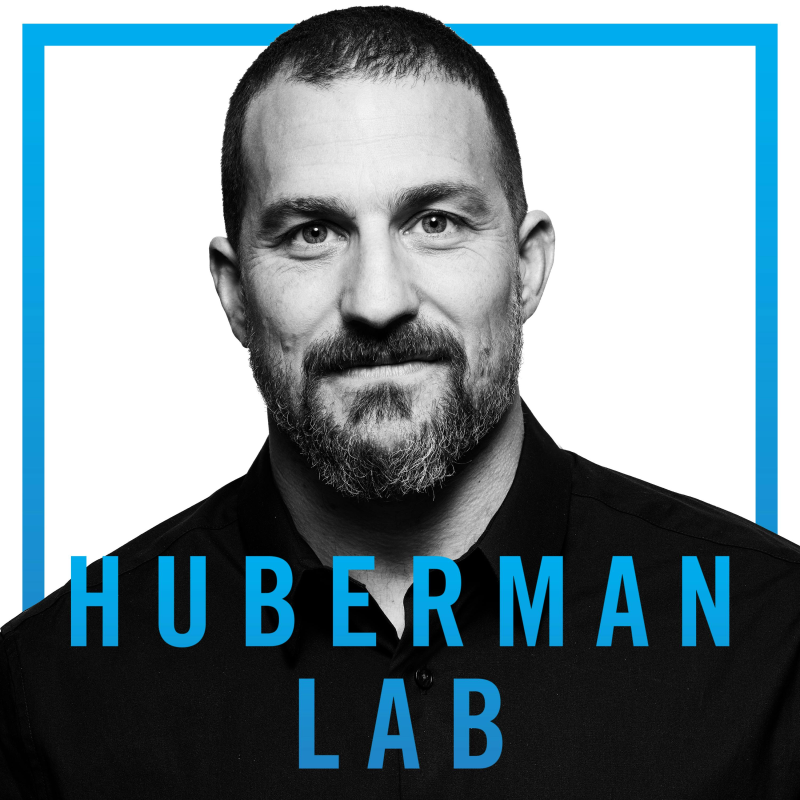
Title Card Photo Credit: Mike Blabac
Disclaimer
This episode I discuss the science and practice of learning physical skills: what it involves at a biological level, and what to focus on during skill learning at each stage to maximize learning speed and depth. I also describe what to do immediately after a training session (note: this is different than the optimal protocol for cognitive skill training) and as you progress to more advanced levels of performance. I also cover the science of skill-based visualization which does have benefits, but only if done correctly and at the correct times. I discuss auto-replay of skill learning in the brain during sleep and the value of adding in post-training ‘deliberately idle’ sessions. I cover how to immediately improve limb-range-of-motion by leveraging cerebellum function, error generation, optimal repetition numbers for learning and more. As always, scientific mechanism, peer-reviewed studies and science-based protocols are discussed.
Read the full show notes for this episode at hubermanlab.com.
Thank you to our sponsors
AG1 : https://athleticgreens.com/huberman
LMNT: https://drinklmnt.com/hubermanlab
Waking Up: https://www.wakingup.com/huberman
Timestamps
00:00:00 Introduction
00:00:31 Sponsors: AG1, LMNT & Waking Up
00:06:28 Skill Acquisition: Mental & Physical
00:08:40 Clarification About Cold, Heat & Caffeine
00:12:45 Tool: How To Quickly Eliminate the Side-Stitch ‘Cramp’ & Boost HRV Entrainment
00:16:08 Physical Skills: Open-Loop Versus Closed-Loop
00:18:50 Three Key Components To Any Skill
00:21:00 Sources of Control for Movement: 1) CPGs Govern Rhythmic Learned Behavior
00:23:30 Upper Motor Neurons for Deliberate Movement & Learning
00:25:00 Lower Motor Neurons Control Action Execution
00:25:26 What To Focus On While Learning
00:27:10 The Reality of Skill Learning & the 10,000 Hours Myth
00:28:30 Repetitions & The Super Mario Effect: Error Signals vs. Error Signals + Punishment
00:34:00 Learning To Win, Every Time
00:39:26 Errors Solve the Problem of What To Focus On While Trying to Learn Skills
00:43:00 Why Increasing Baseline Levels of Dopamine Prior To Learning Is Bad
00:44:40 The Framing Effect (& Protocol Defined)
00:46:10 A Note & Warning To Coaches
00:48:30 What To Do Immediately After Your Physical Skill Learning Practice
00:53:48 Leveraging Uncertainty
00:56:59 What to Pay Attention To While Striving To Improve
01:04:45 Protocol Synthesis Part One
01:07:10 Super-Slow-Motion Learning Training: Only Useful After Some Proficiency Is Attained
01:11:06 How To Move From Intermediate To Advanced Skill Execution Faster: Metronomes
01:16:44 Increasing Speed Even If It Means More Errors: Training Central Pattern Generators
01:19:12 Integrated Learning: Leveraging Your Cerebellum (“Mini-Brain”)
01:22:02 Protocol For Increasing Limb Range of Motion, Immediately
01:28:30 Visualization/Mental Rehearsal: How To Do It Correctly
01:33:50 Results From 15 Minutes Per Day, 5 Days Per Week Visualization (vs. Actual Training)
01:35:34 Imagining Something Is Very Different Than Actually Experiencing It
01:37:58 Cadence Training & Learning “Carryover”
01:39:00 Ingestible Compounds That Support Skill Learning: Motivation, Repetitions, Alpha-GPC
01:43:39 Summary & Sequencing Tools: Reps, Fails, Idle Time, Sleep, Metronome, Visualization
01:46:20 Density Training: Comparing Ultradian- & Non-Ultradian Training Sessions
01:49:24 Cost-Free Ways to Support Us, Sponsors & Alternate Channels, Closing Remarks
Disclaimer & Disclosures
Learn more about your ad choices. Visit megaphone.fm/adchoices
Popis podcastu
The Huberman Lab podcast is hosted by Andrew Huberman, Ph.D., a neuroscientist and tenured professor in the department of neurobiology, and by courtesy, psychiatry and behavioral sciences at Stanford School of Medicine. The podcast discusses neuroscience and science-based tools, including how our brain and its connections with the organs of our body control our perceptions, our behaviors, and our health, as well as existing and emerging tools for measuring and changing how our nervous system works.
Huberman has made numerous significant contributions to the fields of brain development, brain function, and neural plasticity, which is the ability of our nervous system to rewire and learn new behaviors, skills, and cognitive functioning. He is a McKnight Foundation and Pew Foundation Fellow and was awarded the Cogan Award, given to the scientist making the most significant discoveries in the study of vision, in 2017.
Work from the Huberman Laboratory at Stanford School of Medicine has been published in top journals, including Nature, Science, and Cell, and has been featured in TIME, BBC, Scientific American, Discover, and other top media outlets.
In 2021, Dr. Huberman launched the Huberman Lab podcast. The podcast is frequently ranked in the top 10 of all podcasts globally and is often ranked #1 in the categories of Science, Education, and Health & Fitness.