

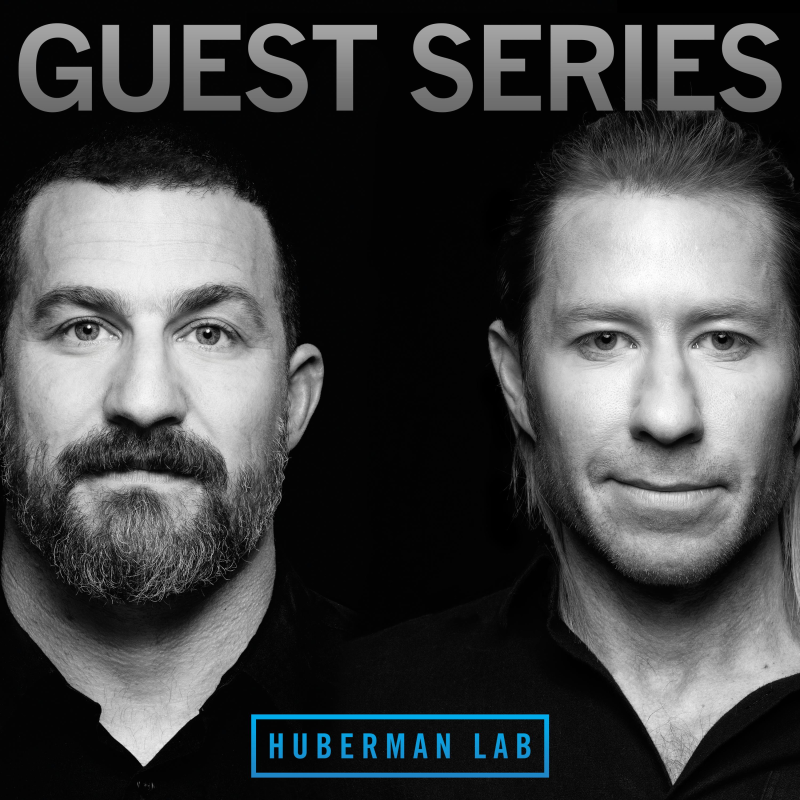
GUEST SERIES | Dr. Matt Walker: Using Sleep to Improve Learning, Creativity & Memory
O epizodě podcastu
This is episode 4 of a 6-part special series on sleep with Dr. Matthew Walker, Ph.D., a professor of neuroscience and psychology at the University of California, Berkeley, and author of the best-selling book "Why We Sleep." In this episode, we discuss the relationship between sleep, learning and creativity.
We explain why and how sleep before and after a learning bout can improve memory and performance for both cognitive tasks and physical skills. We also discuss how to use time learning and sleep, how to use naps, non-sleep deep rest states, and caffeine to optimize learning, and the mechanisms for sleep and memory consolidation.
We also explain the critical role that sleep plays in creativity and one's ability to discover novel solutions to challenges and problems.
This episode is filled with actionable information on using sleep to enhance skill learning and improve memory and creativity.
The next episode in this guest series explains how sleep benefits emotional regulation and mental health.
For show notes, including referenced articles and additional resources, please visit hubermanlab.com.
Thank you to our sponsors
AG1: https://drinkag1.com/huberman
Helix Sleep: https://helixsleep.com/huberman
WHOOP: https://join.whoop.com/huberman
Waking Up: https://wakingup.com/huberman
InsideTracker: https://insidetracker.com/huberman
Momentous: https://livemomentous.com/huberman
Timestamps
(00:00:00) Sleep & Learning
(00:00:59) Sponsors: Helix Sleep, Whoop & Waking Up
(00:05:48) Learning, Memory & Sleep
(00:09:32) Memory & Sleep, “All-Nighters”, Hippocampus
(00:13:46) Naps & Learning Capacity
(00:16:59) Early School Start Times, Performance & Accidents
(00:26:38) Medical Residency & Sleep Deprivation
(00:29:35) Sponsor: AG1
(00:30:49) Tool: Sleep Before Learning; Cramming Effect
(00:35:09) Tools: Caffeine; Timing Peak Learning; “Second Wind”
(00:44:25) Memory Consolidation in Sleep
(00:55:07) Sleepwalking & Talking; REM-Sleep Behavioral Disorder
(01:00:16) REM Sleep Paralysis, Alcohol, Stress
(01:07:41) Sponsor: InsideTracker
(01:08:46) Skills, Motor Learning & Sleep
(01:17:03) Tool: Timing Sleep & Learning, Skill Enhancement
(01:20:00) Naps; Specificity & Memory Consolidation, Sleep Spindles
(01:27:21) Sleep, Motor Learning & Athletes; Automaticity
(01:34:10) Can Learning Improve Sleep?
(01:39:13) Tool: Exercise to Improve Sleep; Performance, Injury & Motivation
(01:44:38) Pillars of Health; Dieting & Sleep Deprivation
(01:49:35) Performance & Poor Sleep, Belief Effects, “Orthosomnia”
(01:57:03) “Overnight Alchemy”, Sleep & Novel Memory Linking
(02:05:58) Sleep & Creativity
(02:11:09) Tools: Waking & Technology; Naps; “Sleep on a Problem”
(02:20:51) Creative Insight & Sleep
(02:26:18) Zero-Cost Support, Spotify & Apple Reviews, Sponsors, YouTube Feedback, Momentous, Social Media, Neural Network Newsletter
Disclaimer
This is episode 4 of a 6-part special series on sleep with Dr. Matthew Walker, Ph.D., a professor of neuroscience and psychology at the University of California, Berkeley, and author of the best-selling book "Why We Sleep." In this episode, we discuss the relationship between sleep, learning and creativity.
We explain why and how sleep before and after a learning bout can improve memory and performance for both cognitive tasks and physical skills. We also discuss how to use time learning and sleep, how to use naps, non-sleep deep rest states, and caffeine to optimize learning, and the mechanisms for sleep and memory consolidation.
We also explain the critical role that sleep plays in creativity and one's ability to discover novel solutions to challenges and problems.
This episode is filled with actionable information on using sleep to enhance skill learning and improve memory and creativity.
The next episode in this guest series explains how sleep benefits emotional regulation and mental health.
For show notes, including referenced articles and additional resources, please visit hubermanlab.com.
Thank you to our sponsors
AG1: https://drinkag1.com/huberman
Helix Sleep: https://helixsleep.com/huberman
WHOOP: https://join.whoop.com/huberman
Waking Up: https://wakingup.com/huberman
InsideTracker: https://insidetracker.com/huberman
Momentous: https://livemomentous.com/huberman
Timestamps
(00:00:00) Sleep & Learning
(00:00:59) Sponsors: Helix Sleep, Whoop & Waking Up
(00:05:48) Learning, Memory & Sleep
(00:09:32) Memory & Sleep, “All-Nighters”, Hippocampus
(00:13:46) Naps & Learning Capacity
(00:16:59) Early School Start Times, Performance & Accidents
(00:26:38) Medical Residency & Sleep Deprivation
(00:29:35) Sponsor: AG1
(00:30:49) Tool: Sleep Before Learning; Cramming Effect
(00:35:09) Tools: Caffeine; Timing Peak Learning; “Second Wind”
(00:44:25) Memory Consolidation in Sleep
(00:55:07) Sleepwalking & Talking; REM-Sleep Behavioral Disorder
(01:00:16) REM Sleep Paralysis, Alcohol, Stress
(01:07:41) Sponsor: InsideTracker
(01:08:46) Skills, Motor Learning & Sleep
(01:17:03) Tool: Timing Sleep & Learning, Skill Enhancement
(01:20:00) Naps; Specificity & Memory Consolidation, Sleep Spindles
(01:27:21) Sleep, Motor Learning & Athletes; Automaticity
(01:34:10) Can Learning Improve Sleep?
(01:39:13) Tool: Exercise to Improve Sleep; Performance, Injury & Motivation
(01:44:38) Pillars of Health; Dieting & Sleep Deprivation
(01:49:35) Performance & Poor Sleep, Belief Effects, “Orthosomnia”
(01:57:03) “Overnight Alchemy”, Sleep & Novel Memory Linking
(02:05:58) Sleep & Creativity
(02:11:09) Tools: Waking & Technology; Naps; “Sleep on a Problem”
(02:20:51) Creative Insight & Sleep
(02:26:18) Zero-Cost Support, Spotify & Apple Reviews, Sponsors, YouTube Feedback, Momentous, Social Media, Neural Network Newsletter
Disclaimer
Learn more about your ad choices. Visit megaphone.fm/adchoices
Popis podcastu
The Huberman Lab podcast is hosted by Andrew Huberman, Ph.D., a neuroscientist and tenured professor in the department of neurobiology, and by courtesy, psychiatry and behavioral sciences at Stanford School of Medicine. The podcast discusses neuroscience and science-based tools, including how our brain and its connections with the organs of our body control our perceptions, our behaviors, and our health, as well as existing and emerging tools for measuring and changing how our nervous system works.
Huberman has made numerous significant contributions to the fields of brain development, brain function, and neural plasticity, which is the ability of our nervous system to rewire and learn new behaviors, skills, and cognitive functioning. He is a McKnight Foundation and Pew Foundation Fellow and was awarded the Cogan Award, given to the scientist making the most significant discoveries in the study of vision, in 2017.
Work from the Huberman Laboratory at Stanford School of Medicine has been published in top journals, including Nature, Science, and Cell, and has been featured in TIME, BBC, Scientific American, Discover, and other top media outlets.
In 2021, Dr. Huberman launched the Huberman Lab podcast. The podcast is frequently ranked in the top 10 of all podcasts globally and is often ranked #1 in the categories of Science, Education, and Health & Fitness.