

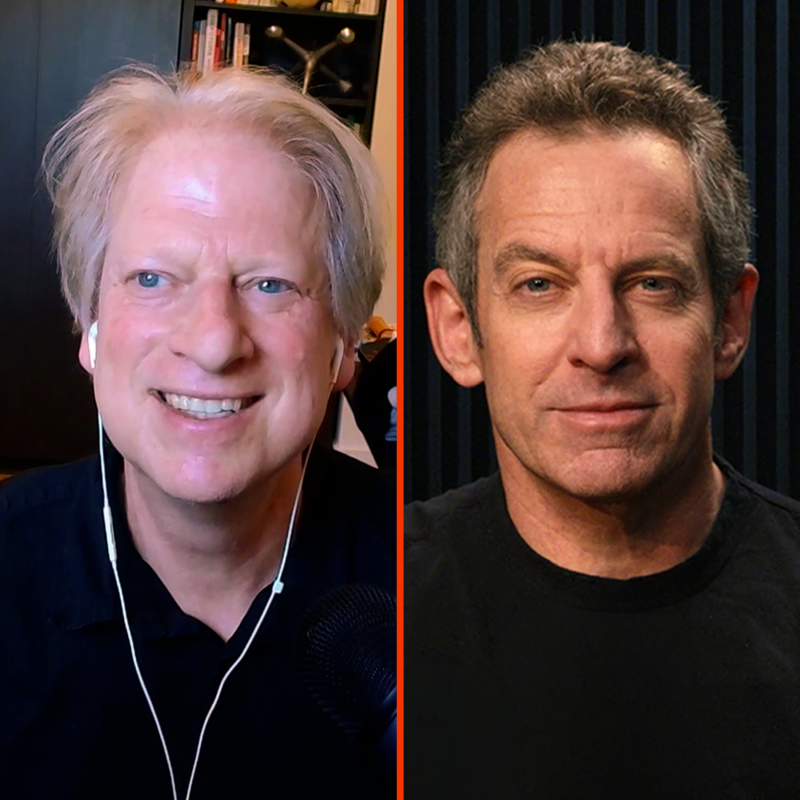
#484 — Artificial Intimacy

Sam Harris speaks with Paul Bloom about our relationships with AI and the future of human connection. They discuss the surprising pace of AI progress, AI companions as a remedy for loneliness, the importance of mattering to other people, digitally resurrecting the dead, whether AI can be conscious, the moral failings of artists, what science actually knows about parenting, the ethics of apology, why late converts from Trump provoke outrage, and other topics.
If the Making Sense podcast logo in your player is BLACK, you can SUBSCRIBE to gain access to all full-length episodes at samharris.org/subscribe .
Popis podcastu
Join neuroscientist, philosopher, and five-time New York Times best-selling author Sam Harris as he explores important and controversial questions about the mind, society, current events, moral philosophy, religion, and rationality—with an overarching focus on how a growing understanding of ourselves and the world is changing our sense of how we should live.
Sam is also the creator of the Waking Up app. Combining Sam's decades of mindfulness practice, profound wisdom from varied philosophical and contemplative traditions, and a commitment to a secular, scientific worldview, Waking Up is a resource for anyone interested in living a more examined, fulfilling life—and a new operating system for the mind.
Waking Up offers free subscriptions to anyone who can't afford one, and donates a minimum of 10% of profits to the most effective charities around the world. To learn more, please go to WakingUp.com.
Sam Harris received a degree in philosophy from Stanford University and a Ph.D. in neuroscience from UCLA.